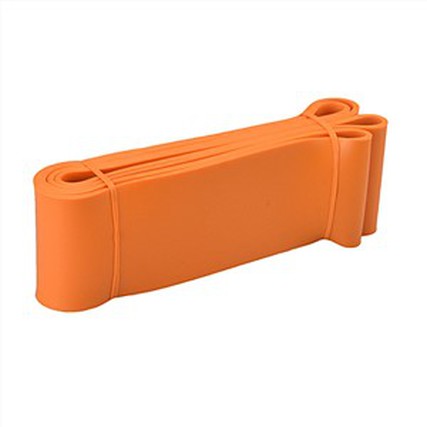
1. After taking a yoga mat, don't open it first, use your nose to smell the top of the mat. See if there is a pungent smell. Generally, a good yoga mat does not have too much taste. After opening it for two days, the trace of taste can be released! If the taste is still not exhausted after a long time, then it is possible that the quality of this mat is not good. , Long-term use will cause harm to the body.
2. Feel it with your hand to see if it is sinking. If it is heavy, it may not be PVC foaming technology, but the accumulation of raw materials. (Generally it is about 2.5 kg, and the yoga mat is 1.5 kg) PVC foaming technology has excellent elasticity, and it will return to its original state soon after stepping on it! Other processes will not be able to bounce after a long time. The gap between the processes is large, which is one of the biggest reasons for the price gap.
3. After opening, take a closer look at the workmanship, whether the workmanship is fine or not. Generally, the workmanship of domestically-made mats is very rough. Some are only foamed on one side, and the side that touches the ground is not designed for non-slip! Some sellers sell the foot pads as yoga mats, and everyone has to keep their eyes open. )
4. Gently push the surface of the yoga mat with the palm of your hand to have a dry feeling. If there is too much foaming agent on the surface of the yoga mat, it will feel slippery, and it will be easy to slip and fall when you practice on it. (However, like some good yoga mats in Taiwan, there is a layer of antibacterial layer on it at the beginning, and it will be a little slippery after sweating, but don鈥檛 worry, after this layer gradually recedes, the anti-slip effect will be revealed! But domestically produced The mat will not work anymore, it will slide down like this all the time.)
5. Everyone try to choose 6mm thick. For example, when doing some knee-to-ground movements, there will be no pain.
Previous: Cleaning steps for yoga mats